What is dandruff?
First things first. Before we scratch the surface and get into what causes dandruff and how to get rid of it, let’s define it. Dandruff is a common scalp condition that results in itchiness, redness and flaky skin on the scalp. Experts think that one of the main factors leading to dandruff is an overgrowth of a fungus called malassezia globos. We all have this fungus on our skin’s surface. It’s part of our body’s natural microbiome and it feeds off the oil in our skin. However, when there’s too much oil build up, this can act as extra food for the fungus, causing an overgrowth, which can lead to a cycle of irritation resulting in the itchiness and flaking skin we identify with dandruff.
What causes dandruff?
When it comes to dandruff causes, there are several factors that may contribute to the condition. Dandruff may develop due to medical conditions, hair care habits, weather conditions, or oily skin. Skin conditions like eczema or psoriasis, for example, may make your skin more easily irritated, which in turn prompts the scalp to produce more oil, playing into the cycle of fungal overgrowth. Sensitivity to certain ingredients in your hair care products, as well as harsh weather, can also lead to scalp irritation, setting off the frustrating symptoms of dandruff.
As with many skin conditions, another aggravator of dandruff can be stress. It’s not a direct cause but it can affect hormone levels, increasing oil production in the scalp. This can lead to more flaking, and ultimately, it can worsen the condition. Of course, it’s easier said than done, but de-stressing is a key to scalp health. Make sure to get adequate exercise and sleep, to focus on breathing, and to eat well. Keep calm and carry on.
How do you know if you have dandruff or dry scalp?
The symptoms may look similar on the surface, but a dry or itchy scalp doesn’t necessarily mean you have dandruff. Here are some expert pointers to understanding the differences among various scalp conditions.
Itchy scalp vs. dandruff, what’s the difference?
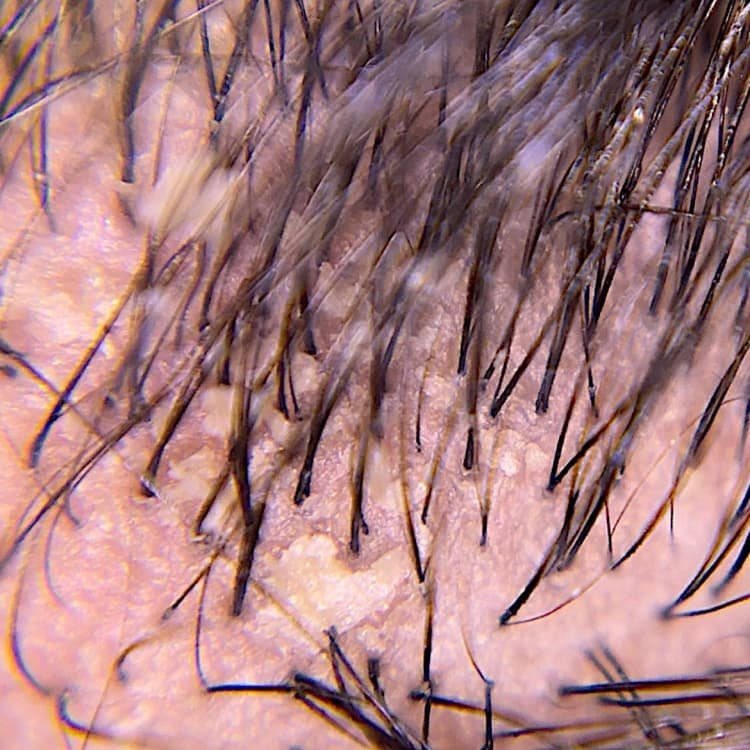
An itchy scalp, with the main symptoms being itchiness and irritation, could indicate a condition like psoriasis, eczema, head lice, or an allergic reaction to a hair product. Unlike dandruff, however, it may not manifest in oily flaky skin.
Dry scalp vs. dandruff, what’s the difference?
Dry scalp means your skin has too little moisture, which can mean that the skin on other parts of your body may be dry, too. It can be triggered by weather conditions, advanced age, or the use of products that strip oils from the skin. Dry scalp skin flakes tend to be smaller and drier than dandruff flakes, and while the scalp may feel itchy, it won’t get inflamed as it would be with dandruff.
| Itchy scalp | Dry scalp | Dandruff | |
|---|---|---|---|
| Irritation | ✓ | ✓ | ✓ |
| Itchininess | ✓ | ✓ | ✓ |
| Oily flaky skin (larger flakes) | ✓ | ||
| Dry flaky skin (smaller flakes) | ✓ | ||
| Dry skin on other parts of body | ✓ |
How to get rid of dandruff?
With this scalp condition, the biggest concern is often how to get rid of dandruff altogether. To treat mild cases of dandruff, it may just be a case of changing shampoo or adjusting the frequency with which you wash your hair. To treat more serious cases of dandruff, specific dandruff-targeting products or practices may be in order. Most cases do not require medical attention.
Dandruff shampoos & dandruff serums – what’s the best?
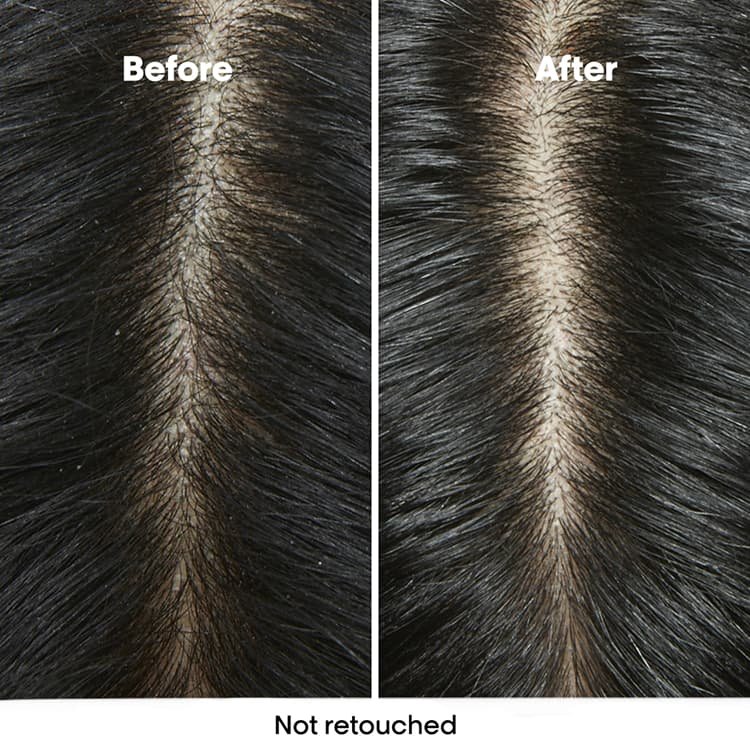
When looking for the best dandruff shampoo to help treat your condition, keep your eyes open for the following ingredients, which are recommended by board-certified dermatologists: zinc pyrithione; salicylic acid; sulfur; selenium sulfide; ketoconazole; and coal tar. Be sure to follow the instructions on the dandruff shampoo bottle, and to use the right product based on your hair type.
An anti-dandruff shampoo like the L'Oréal Professionnel Scalp Advanced anti-dandruff dermo-clarifier shampoo, formulated with Piroctone Olamine, restores moisture balance, gently clarifies and removes dry and oily dandruff for clean and calm scalp and healthy hair.
Pro Tip: massage the anti-dandruff shampoo into your scalp and let it sit for a few minutes before rinsing so the active ingredients can do their magic.
Using a specialized professional-grade scalp serum is another way to help rebalance scalp health and get rid of dandruff.
Hair care practices for dandruff
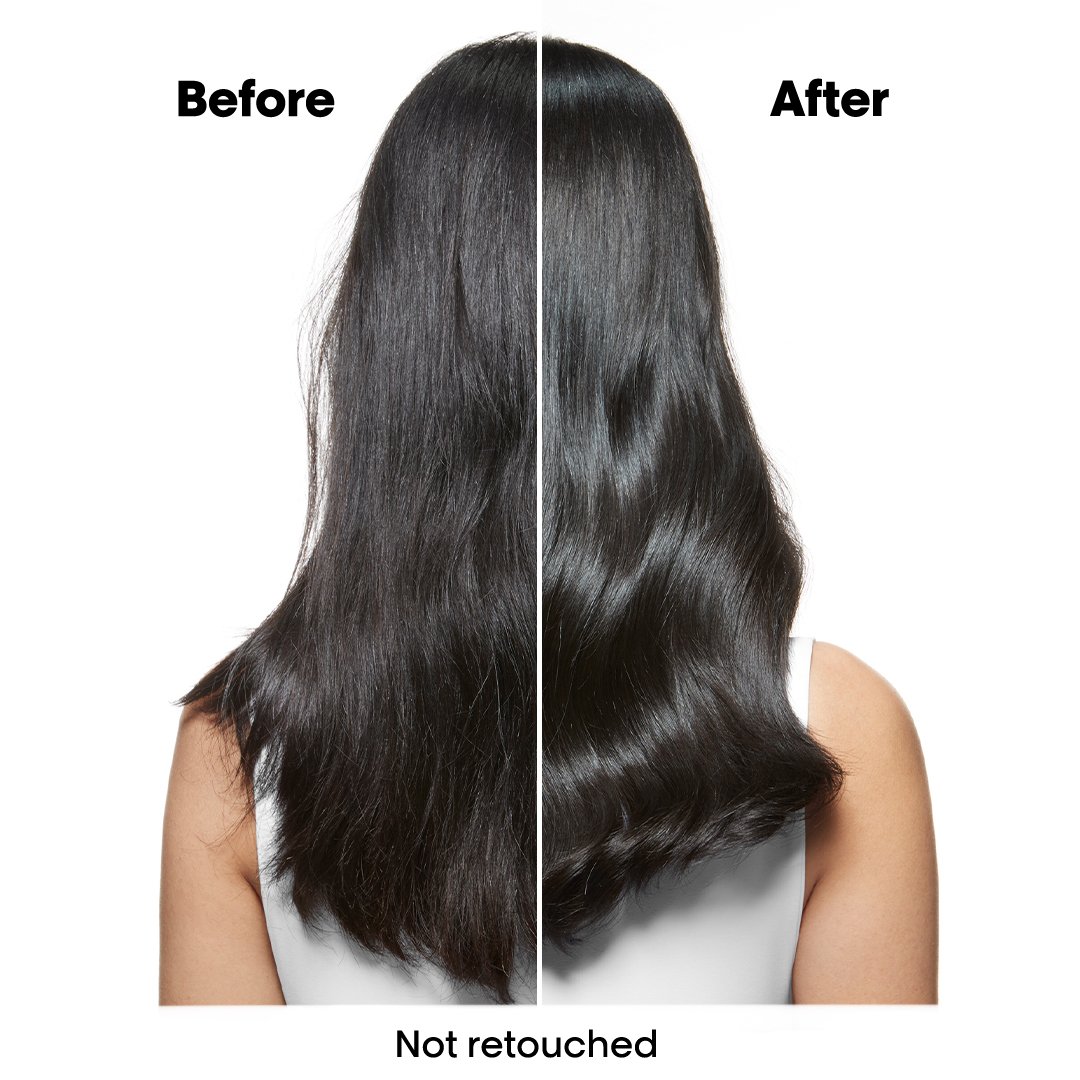
In the fight against dandruff, making sure that you find the right rhythm for your care routine is important, too. This can mean adjusting your routine to wash your hair either more or less frequently. Exfoliating your scalp on a regular basis is another way to help maintain scalp health and treat your dandruff. This can help get rid of the dead skin cells that build up and worsen itchy and flaky symptoms.
Other tips to get rid of dandruff
A few other things to keep in mind for the treatment of dandruff are lifestyle adjustments.
1. Protect your scalp
Some dandruff shampoos may make your scalp more sensitive to the sun, so protecting your scalp from UV rays can help prevent sunburn and any additional irritation or flaking.
2. Healthy diet
Diet can also be a factor leading to dandruff. Foods high in carbs and sugar may aggravate dandruff, while zinc – found in many animal proteins – may help keep it at bay. Consider adjusting your diet and taking note of any changes you see in your scalp and hair.
3. Hair hygiene
Make sure hair brushes and pillowcases are cleaned regularly. This helps ensure a healthy environment for your hair and scalp.
faq
What is dandruff?
Dandruff is a common scalp condition that results in itchiness, redness and flaky skin on your scalp.
How do I know if I have dandruff?
If you are experiencing itchiness, redness and flaky skin on your head, in particular with large oily flakes, you may have dandruff.
How to get rid of dandruff?
You can treat dandruff with a healthy hair care routine: washing your hair regularly, using dandruff shampoos, exfoliating your scalp and changing your diet.